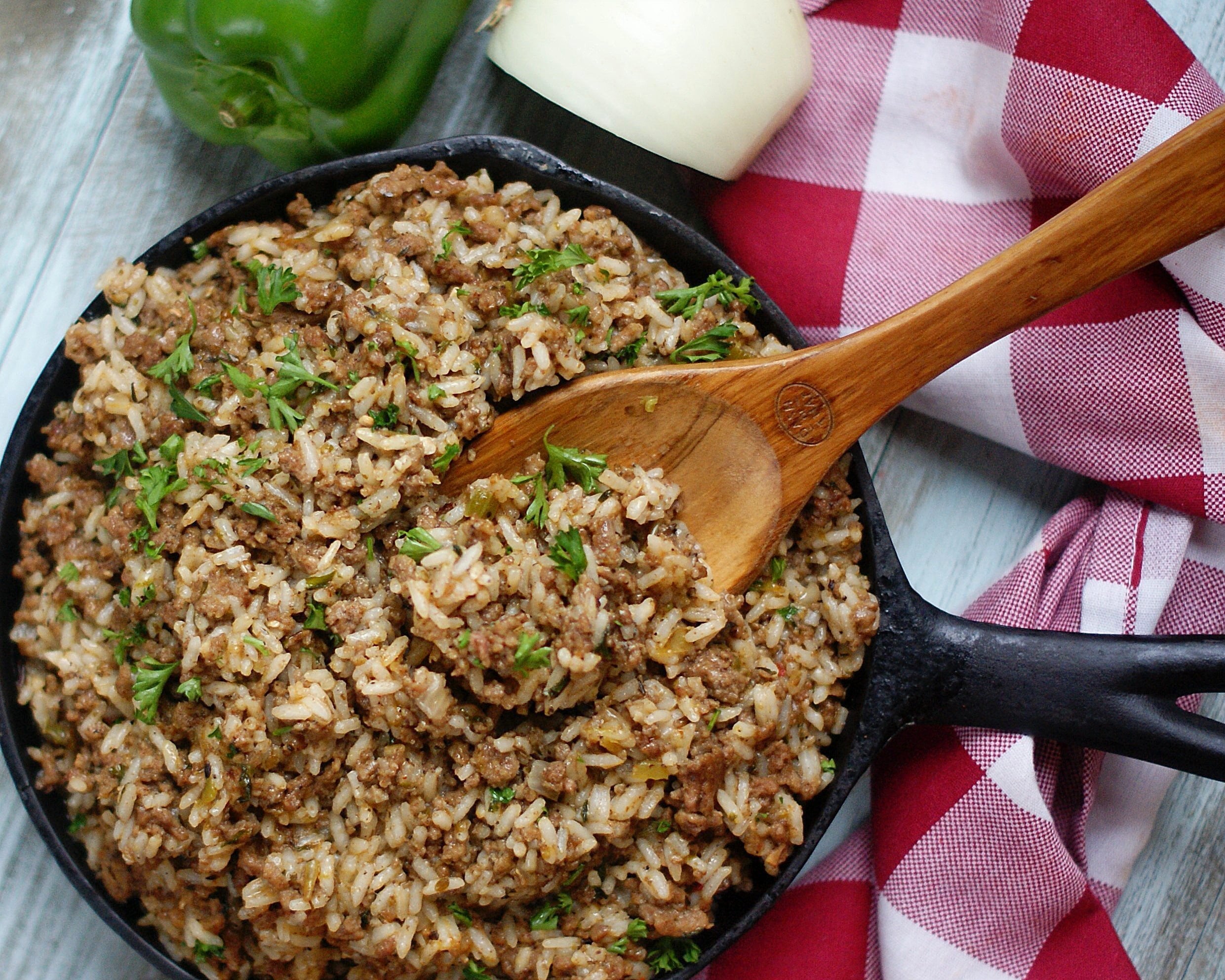
Few dishes embody the soul and flavor of Louisiana quite like dirty rice. A culinary cornerstone of both Cajun and Creole traditions, this deceptively simple dish is a symphony of savory flavors, rich textures, and aromatic spices. Its name, though perhaps unappetizing to the uninitiated, is a loving nod to its distinctive appearance: rice stained "dirty" brown by finely ground meat, often a mix of pork, beef, and the essential chicken livers, sautéed with the "Holy Trinity" of vegetables and a robust blend of seasonings. Far from being merely a side dish, dirty rice holds a cherished place on tables across the Gulf South, served everywhere from family gatherings and backyard barbecues to festive celebrations and everyday meals. It’s a testament to resourcefulness, flavor development, and the enduring power of comfort food.
What is Dirty Rice? Unraveling its Origins and Flavor Profile
At its heart, dirty rice is a deeply savory rice dish where white rice is cooked with ground meat (typically a combination of pork and beef), minced chicken giblets – especially livers – and the aromatic base of onions, celery, and bell peppers. This combination, along with a generous hand of spices, gives the rice its characteristic brownish, speckled, or "dirty" appearance and its incredibly rich, complex flavor. The traditional inclusion of chicken livers is key; they dissolve into the mixture, imparting a profound umami depth and an almost creamy texture to the final dish without leaving any discernible liver bits for the wary eater.
The origins of dirty rice are deeply rooted in the pragmatic and flavorful cooking styles of rural Louisiana. Born out of necessity and a philosophy of "waste not, want not," cooks would utilize all parts of the animal, including the giblets and organ meats, to enrich their meals. This approach, characteristic of both Cajun and Creole cooking, transformed humble ingredients into something extraordinary. Over time, what began as a resourceful way to extend meat and add flavor became a beloved culinary tradition, a true representation of the region's unique food culture.
The flavor profile of a well-made batch of dirty rice is nothing short of captivating. It's savory and earthy, with layers of flavor built from the browned meats, the sweetness of the sautéed vegetables, and the warmth of spices like cayenne, paprika, and black pepper. Depending on the cook and the specific blend of Cajun or Creole seasoning used, it can range from mildly spiced to having a gentle, lingering heat that warms the palate without overwhelming it. The texture is equally important: individual grains of rice should be distinct yet tender, thoroughly infused with the meaty, seasoned goodness.
The Essential Ingredients: Crafting Authentic Dirty Rice
Creating an authentic plate of dirty rice hinges on a few key ingredients and a commitment to flavor building. While variations exist, the core components remain steadfast.
- The "Dirty" Meats: This is where the magic happens. A traditional blend often includes ground pork and ground beef, providing a solid savory base. However, the true essence of "dirty" comes from chicken livers, finely minced. These contribute an unmatched depth of flavor and richness. Some recipes might also include other giblets, but livers are paramount. For those who shy away from organ meats, some modern adaptations omit them, but it’s worth trying them at least once to experience the full traditional flavor.
- The Holy Trinity: Just like in many Cajun and Creole dishes, this aromatic trio forms the backbone of the flavor profile. Onions, celery, and bell peppers (green is traditional, but red or yellow can be used for a sweeter note) are finely diced and sautéed until softened, releasing their sweet and earthy aromas.
- Garlic: No self-respecting Louisiana dish is complete without a generous amount of fresh, minced garlic. It adds pungency and another layer of aromatic complexity.
- Long-Grain White Rice: This is the standard choice, as its separate grains absorb the flavors beautifully and create the desired fluffy texture. While some may experiment with brown rice, white rice is historically and culinarily correct for this dish.
- Seasonings: This is where personal preference and regional subtleties come into play. Essential spices include:
- Cajun or Creole Seasoning: A pre-mixed blend is convenient, but you can also build your own with cayenne pepper, paprika, garlic powder, onion powder, thyme, and oregano.
- Salt and Black Pepper: To taste, crucial for balancing all the flavors.
- Bay Leaf: Adds a subtle, herbaceous note.
- Parsley and Green Onions: Used as fresh garnishes, adding brightness and a fresh finish.
- Broth: Chicken or beef broth, or a combination, is used to cook the rice and infuse it with even more flavor. Using a good quality broth is important.
- Fat: A little oil, bacon fat, or butter is used to brown the meats and sauté the vegetables, helping to build a rich foundation.
Understanding these components is the first step towards creating a truly memorable batch of dirty rice. For a deeper dive into ingredient sourcing and traditional versus modern choices, consider exploring dirty rice - Article 2.
Mastering the Technique: Tips for Perfect Dirty Rice Every Time
Making excellent dirty rice isn't overly complicated, but it does require attention to detail and a commitment to building layers of flavor. Follow these tips for a dish that will earn rave reviews:
- Prep Your Ingredients (Mise en Place): Before you even turn on the stove, have all your meats minced, vegetables diced, and spices measured out. This ensures a smooth cooking process, as steps often move quickly.
- Brown the Meats Thoroughly: This is non-negotiable for flavor and color. In a large, heavy-bottomed pot or Dutch oven, brown the ground pork and beef, breaking it up as it cooks. Once browned, add the finely minced chicken livers (if using) and cook until they break down and are no longer pink. Drain off any excess fat, leaving just a little for flavor. The fond (browned bits) at the bottom of the pot are pure flavor gold.
- Sauté the Holy Trinity with Care: Add your diced onions, celery, and bell peppers to the pot and cook until they are softened and translucent, about 8-10 minutes. Don't rush this step; softening the vegetables releases their natural sugars and builds a crucial flavor base. Add the garlic in the last minute or two of cooking to prevent burning.
- Deglaze for Maximum Flavor: If there are browned bits stuck to the bottom of your pot after cooking the meats and vegetables, add a splash of broth or water and scrape them up with a wooden spoon. This process, called deglazing, incorporates all those delicious caramelized flavors back into your dish.
- Season Liberally and Taste: Add your Cajun/Creole seasoning, salt, black pepper, and other spices. Cook for another minute, stirring, to allow the spices to bloom in the hot fat. Remember to taste and adjust seasonings as you go, especially before adding the rice and liquid.
- Toast the Rice (Optional but Recommended): Add the uncooked long-grain rice to the pot and stir it into the meat and vegetable mixture for a minute or two. This lightly toasts the grains, helping them to stay separate and absorb flavors better.
- Add Liquid and Bring to a Simmer: Pour in your chicken or beef broth. Stir once to combine everything, then bring the mixture to a strong simmer.
- Cover and Cook Undisturbed: Once simmering, reduce the heat to low, cover the pot tightly, and cook for 18-20 minutes. Resist the urge to lift the lid or stir the rice during this time. The steam trapped inside is crucial for even cooking.
- Rest for Fluffiness: After 18-20 minutes, remove the pot from the heat and let it sit, still covered, for another 5-10 minutes. This allows the rice to steam further, absorb any remaining moisture, and become perfectly fluffy.
- Fluff and Garnish: Uncover the pot, fluff the dirty rice with a fork, incorporating all the delicious bits from the bottom. Stir in fresh chopped parsley and green onions just before serving for brightness and a pop of color.
By following these steps, you’ll achieve a dirty rice that is flavorful, aromatic, and perfectly textured every time. For insights into perfecting the spice balance and heat levels, you might find valuable information in dirty rice - Article 3.
Serving Suggestions and Variations: Beyond the Classic Dish
While a classic plate of dirty rice is a magnificent experience in itself, its versatility allows for numerous serving suggestions and creative variations. Traditionally, dirty rice often plays a starring role as a hearty side dish, elevating many Southern entrées.
Classic Pairings:
- Fried Chicken or Catfish: The rich, savory notes of dirty rice beautifully complement the crispy texture and mild flavor of fried poultry or fish.
- Gumbo or Étouffée: It's a perfect accompaniment, soaking up the flavorful gravies and stews.
- Grilled or Smoked Meats: Alongside barbecued ribs, pulled pork, or smoked sausage, dirty rice provides a wonderful counterpoint with its deep flavors.
- Roasted Chicken or Pork Chops: A simple roasted protein becomes a full, satisfying meal with a generous scoop of dirty rice.
Creative Variations to Explore:
Don't be afraid to experiment with the traditional recipe. Here are a few ideas to spark your culinary imagination:
- Seafood Dirty Rice: Introduce cooked shrimp, crawfish tails, or even crab meat during the last few minutes of cooking or as a garnish. This adds a delightful taste of the sea.
- Smoked Sausage Addition: Dice up some smoked Andouille or a similar spicy sausage and brown it with the other meats for an extra layer of smoky, zesty flavor.
- Vegetable Boost: While the Holy Trinity is essential, consider adding other finely diced vegetables like carrots, mushrooms, or even corn kernels for added texture and nutrition.
- Spicier Kick: For those who love heat, increase the amount of cayenne pepper or add a finely minced jalapeño or serrano pepper along with the Holy Trinity. A dash of hot sauce at the table is always welcome too.
- Healthier Options: For a lighter take, use leaner ground meats (like ground turkey) and consider a mix of white and brown rice, or even all brown rice for added fiber, though this will slightly alter the texture and cooking time.
- Vegetarian/Vegan Dirty Rice: While traditional dirty rice relies heavily on meat, creative plant-based versions can be made using finely chopped mushrooms, lentils, or plant-based ground crumbles as the "dirty" element, along with a rich vegetable broth and plenty of spices.
Whether you stick to the time-honored classic or venture into new territory, dirty rice remains a wonderfully adaptable and satisfying dish, capable of holding its own as a main course or serving as a flavorful foundation for a larger meal.
Conclusion
From its humble beginnings as a resourceful way to utilize all parts of an animal, dirty rice has blossomed into a cherished culinary icon, a vibrant testament to the rich food traditions of Louisiana. It’s more than just a rice dish; it's a celebration of flavor, a comforting embrace, and a cornerstone of Southern hospitality. Its intricate layers of savory meats, aromatic vegetables, and bold spices combine to create a deeply satisfying experience that continues to captivate palates worldwide. Whether you’re a seasoned cook or a curious home chef, taking the time to prepare authentic dirty rice is a rewarding journey into the heart of Cajun and Creole cuisine. So, gather your ingredients, follow the steps, and prepare to savor a dish that truly embodies the soulful spirit of the South.
